🍀 Discounts on juicer accessories up to 30% →

Blog, Page 7

List of articles

Sana Grain Mill Max: Maximum speed, Maxiumum power

Sana Grain Mill Max: Maximum speed, Maxiumum power

More Power. More Capacity. Faster Fresh Flour.

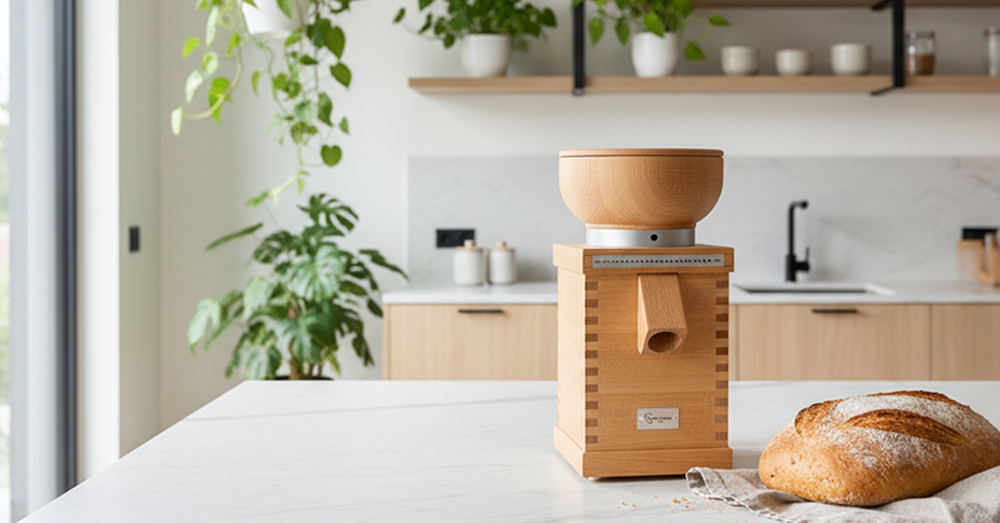
We’re excited to announce the release of the Sana Grain Mill MAX, the new high-capacity version of the best-selling grain mill here on Sana Store. It is designed for home bakers, whole-food enthusiasts, and anyone who values fresh, nutrient-rich flour.

The Sana Grain Mill MAX builds on everything customers already love about the original model, while delivering significantly more power, speed, and flexibility. Whether you're baking daily or milling larger batches, the MAX is built to handle it with ease.

Sana Grain Mill XL LQ 6

What’s New with the Sana Grain Mill MAX?

The MAX version introduces several key upgrades that make home grain milling faster and more efficient than ever:

🔹 More Powerful Motor
With a 600-watt motor (compared to 360 watts in the standard model), the MAX delivers stronger, more consistent milling performance—especially with harder grains.

🔹 Larger Hopper Capacity
The expanded 1200 g hopper allows you to mill more grain in a single batch, reducing prep time and making it ideal for bulk baking.

🔹 Faster Milling Speed
Producing up to 200 grams of flour per minute, the MAX doubles the output of the standard model—perfect when you need fresh flour quickly.

Sana Grain Mill XL LQ 3

Built on the Same Trusted Foundation

While the MAX introduces powerful upgrades, it retains the core features that made the original Sana Grain Mill so popular:

  • Crafted in Germany with precision engineering
  • Beautiful solid beechwood construction
  • Durable 85 mm ceramic-corundum millstones
  • Quiet and efficient operation
  • Backed by a 12-year warranty

👉 In short, it’s everything you already trust, now enhanced for higher performance.

Sana Grain Mill XL LQ 5

Who Is the Sana Grain Mill MAX For?

The MAX is ideal if you:

  • Bake frequently or in larger quantities
  • Want faster milling with less waiting
  • Need more power for a wider variety of grains
  • Want to make your own fresh cornmeal
  • Prefer fewer batches with a larger hopper

Fresh Flour, Elevated

With the introduction of the Sana Grain Mill MAX, it’s now easier than ever to enjoy the taste, nutrition, and satisfaction of freshly milled flour at home, whether you're baking artisan bread, experimenting with whole grains, or exploring homemade cornmeal.

👉 If you’ve been thinking about upgrading your kitchen tools or stepping into home milling, the MAX delivers the performance to match your ambition.

Maximize Freshness: Tips for Storing Fresh Juice

Maximize Freshness: Tips for Storing Fresh Juice

Fresh juice tastes best when consumed immediately after juicing. But life gets busy, and sometimes you need to prepare juice ahead of time. The good news is that with the right techniques, you can keep your homemade juice tasting fresh and nutritious for up to 72 hours.

Why Fresh Juice Spoils Quickly

Unlike store-bought juice that's been pasteurized or contains preservatives, homemade juice is raw food. Once you cut open fruits and vegetables, they immediately begin oxidizing when exposed to air. Think about how quickly a sliced apple or banana turns brown. That's oxygen interacting with the exposed flesh, and the same process happens with fresh juice.

This oxidation not only affects flavor but also degrades nutritional content. While some slow juicer manufacturers claim their juice stays fresh for up to 72 hours, 48 hours is the realistic maximum for maintaining optimal taste and nutrition.

sana 707_red

Use a Slow Juicer

Your juicer type makes a significant difference in how long your juice stays fresh.

Centrifugal Juicers

These high-speed juicers operate at 5,000 to 15,000 RPM. The rapid spinning exposes juice to excessive air and generates heat, both of which accelerate oxidation. If you use a centrifugal juicer, drink your juice immediately. Even refrigerated, this juice separates quickly into clear and thick layers.

Slow Juicers

Slow juicers (also called masticating or cold press juicers) operate at 40 to 120 RPM. They use an auger or twin gears to slowly extract juice with minimal air exposure and heat generation. This gentler process produces juice that stores much better. If you plan to store juice regularly, invest in a slow juicer.

lemons_only

Add Citrus to Slow Oxidation

Adding lemon or lime juice is a simple yet effective preservation technique. The ascorbic acid in citrus fruits naturally slows oxidation.

Squeeze the juice of one lemon or lime into your fresh juice before storing. While citrus adds a distinctive flavor, it complements many juice combinations beautifully, especially:

  • Carrot juice
  • Root vegetable blends
  • Apple-based juices
  • Green juice mixtures

The citric acid works the same way it prevents cut apples from browning. It creates a protective barrier against oxidation.

Sana vacuum jug lití LQ (1 of 1)

Use Proper Storage Containers

Container choice is critical for maintaining juice freshness.

Essential Container Features

  • Airtight seal to prevent air exposure
  • Glass or BPA-free plastic
  • Narrow opening to minimize surface area exposed to air
  • Appropriate size to fill completely

Fill your container to the very top, leaving minimal headspace. The less air in contact with your juice, the slower the oxidation process.

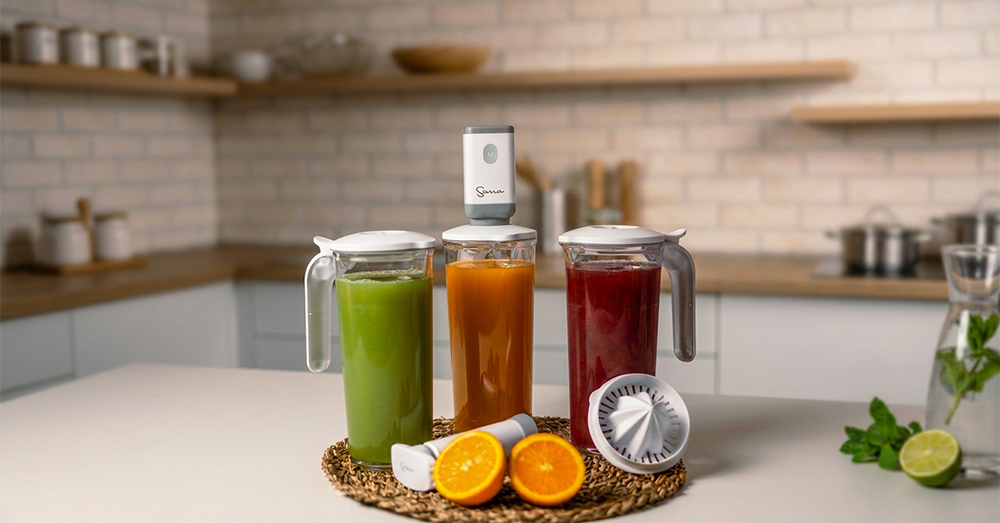
vacuum bottle lifestyle (6 of 6)

Vacuum Seal for Maximum Freshness

For the longest storage life, use a vacuum-sealed container. These specialized containers come with a hand pump that removes air from the sealed container, dramatically reducing oxygen exposure.

How to Use a Vacuum Container

  1. Fill the container nearly to the top with fresh juice
  2. Secure the lid tightly
  3. Attach the hand pump
  4. Pump until you feel significant resistance (usually 30 seconds or less)
  5. Remove the pump and refrigerate immediately

When you open the container later, you'll hear air rushing back in, confirming the vacuum seal worked. This method keeps juice tasting nearly as fresh as when first made

fresh-juice-storage-thumb

Refrigerate Immediately

Temperature control is non-negotiable. Get your juice into the refrigerator as quickly as possible after juicing. Cold temperatures slow bacterial growth and oxidation processes.

Never leave fresh juice at room temperature for extended periods. The combination of warmth and oxygen exposure rapidly degrades both flavor and nutritional value.

The Complete Freshness Strategy

For juice that stays fresh and nutritious for up to 72 hours, combine all these techniques:

  • Use a slow juicer to minimize initial oxidation
  • Add citrus (one lemon or lime) to slow the oxidation process
  • Store in a vacuum container filled to the top
  • Refrigerate immediately and keep cold until consumption

This comprehensive approach addresses oxidation from multiple angles, giving you the best possible results.

What to Expect

Even with perfect storage, you'll notice some changes after 48 hours. The flavor becomes less vibrant, and nutritional content can drop. While the juice may still keep much of its nutritional content between 48-72 hours, the flavor will not be as optimal.

Fresh juice is living food at its peak. By understanding how oxidation works and taking steps to minimize it, you can enjoy the convenience of prepared juice without sacrificing too much of that just-juiced quality. Whether you're meal prepping for the week or simply want to make enough for tomorrow morning, these storage techniques ensure every glass tastes as good as possible.

Centrifugal vs Slow Juicers: Is a €99 Juicer Actually Worth It?

Centrifugal vs Slow Juicers: Is a €99 Juicer Actually Worth It?

For nearly 20 years, we’ve built our entire philosophy around slow juicers. In fact, we were among the first to introduce them from South Korea into Europe—and to this day, we still believe they are the best choice for most people.

So why are we now offering a centrifugal juicer for just €99?

Let’s take a closer look.

The Key Difference

At the most basic level, the difference comes down to how the juice is extracted.

A slow juicer gently squeezes juice from ingredients using low speed and high pressure. This preserves quality and maximizes yield.

A centrifugal juicer, on the other hand, works at very high speed. It shreds ingredients and uses force to spin the juice out.

In simple terms:
Slow = gentle and efficient
Centrifugal = fast and aggressive


Why Consider a Centrifugal Juicer?

ViDiA CJ-001_03

1. Price: A Low Barrier to Entry

One of the biggest advantages is affordability.

Most high-quality slow juicers start around €500 and go up from there. A centrifugal juicer like the Vidia CJ-001, at €99, offers a much more accessible starting point.

If you’re curious about juicing but not ready to invest heavily, this is an easy way to begin. For many people, a centrifugal juicer is actually how the journey begins.  It’s quick, affordable, and easy to use. You can experiment, build the habit, and see if juicing fits your lifestyle.

If it does, upgrading to a slow juicer later often makes sense—and that’s where you’ll really see the long-term benefits.

Yes, the juice quality in a centrifugal is lower and ingredient options are more limited—but it’s still significantly better than most store-bought juices, which are often pasteurized or made from concentrate.

Čerstvá šťáva z mrkve a ovoce

2. Speed: Where It Really Shines

Speed is where centrifugal juicers truly stand out.

A typical juice with a slow juicer can take 5–10 minutes. With a centrifugal juicer, you can often make a juice in under a minute.

That makes it ideal for:

  • Busy mornings
  • Office use
  • Holiday homes or occasional use

It’s also why many juice bars still rely on centrifugal machines, they’re simply fast.

vidia cjv

The Trade-Offs

That speed comes with compromises.

With a centrifugal juicer, you’ll typically notice:

  • More foam
  • Slightly lower juice yield
  • Wetter pulp

And some ingredients just don’t perform well, especially leafy greens, celery, or fibrous roots like turmeric.

This is where slow juicers are clearly superior.

ViDiA CJ-001_02

What Makes the Vidia CJ-001 Interesting?

If you are considering a centrifugal juicer, there are a few things that make this juicer stand out:

  • Made in South Korea (rare in this category)
  • Stainless steel juicing components for better hygiene and durability
  • Dishwasher-safe parts for easy cleanup

These details don’t change the fundamentals, but they do improve the overall experience.

You can see more details here: Vidia Centrifugal Juicer

Final Thoughts

If you’re serious about juicing long-term, a slow juicer is still the better investment. It offers higher quality juice, better yield, and far greater versatility.

But if you’re just getting started, or you want something fast, simple, and affordable, a centrifugal juicer can absolutely make sense.

At €99, it’s one of the easiest ways to begin. And ultimately, that’s what matters most: Start juicing.

How to Properly Clean a Slow Juicer (Complete Guide)

How to Properly Clean a Slow Juicer (Complete Guide)

Keeping your slow juicer clean is essential—not just for hygiene, but also for performance and longevity. Even if you rinse your juicer after every use, over time you may still notice mineral deposits, discoloration, or a dull coating on certain parts.

So what’s the correct way to clean a juicer properly?


Daily Cleaning: The Foundation

After every juicing session, you should:

  • Fully disassemble the juicer
  • Rinse all parts under running water
  • Use a soft brush to clean the juicing screen
  • Occasionally wash with a mild detergent

This removes fresh pulp and juice residue before it dries. However, even with perfect daily cleaning, buildup can still occur over time.


Why Deep Cleaning Is Important

If you start to notice a brown, grey, or white coating on your juicer parts, it’s a sign that deeper cleaning is needed.

These deposits can cause several issues:

  • Bacteria growth: Residue and scale can harbor bacteria that may contaminate your juice
  • Reduced performance: Fine mesh screens can become clogged, lowering juice yield
  • Potential damage: Blocked screens are under more pressure and may crack or fail

Regular deep cleaning helps prevent these problems and keeps your juicer working like new.

3 Effective Ways to Deep Clean a Juicer

All methods follow the same process:

soak → loosen buildup → brush → rinse thoroughly.


1. Remove Mineral Deposits (Descaling) cleaning1

If you see white scale or cloudy buildup (common in hard water areas):

Option 1 (traditional method):

  • Mix 1 part water with 1 part white vinegar
  • Add the juice of one lemon (optional)
  • Soak for 1–8 hours (overnight for heavy buildup)

Option 2 (modern alternative):

  • Use citric acid (1–2 tablespoons per litre of warm water)
  • Soak for 30–60 minutes

Citric acid is increasingly popular because it’s effective and odor-free.


2. Remove Organic Residue and Stainscleaning2

Brown stains, sticky residue, or discoloration (especially on silicone parts) come from dried juice particles.

While older methods often recommended bleach, modern guidance is more cautious.

Safer options today include:

  • Oxygen-based cleaners (sodium percarbonate)
  • Hydrogen peroxide (3%) for sanitizing
  • Baking soda paste for gentle scrubbing

Soak the parts for 30–60 minutes, then brush and rinse thoroughly.


cleaning3


3. Use a Specialized Juicer Cleaner

If you prefer a ready-made solution, products like Citroclean or similar eco-friendly cleaners are designed specifically for juicers.

They help:

  • Break down organic residue
  • Remove stains
  • Clean safely without damaging components

This is a convenient option for regular maintenance.


Important: Can You Put Juicer Parts in the Dishwasher?

In most cases, no.

Most slow juicer manufacturers do not recommend using a dishwasher because:

  • High temperatures can warp plastic components
  • Strong detergents may damage surfaces
  • Fine mesh screens can be affected over time

Exception
One notable exception is the Sana 929, which is made from 100% stainless steel. This makes it far more resistant to heat and allows for dishwasher-safe cleaning.

For all other juicers, hand washing remains the safest and most effective method.

Best Practices for Keeping Your Juicer in Top Condition

  • Clean immediately after use – dried pulp is much harder to remove
  • Use warm water (up to 50°C) – helps dissolve residue without damaging parts
  • Focus on the juicing screen – clean from both sides and check for blocked holes
  • Avoid abrasive tools – they can scratch surfaces and trap bacteria
  • Dry thoroughly before reassembly – prevents mold and odors

How Often Should You Deep Clean?

  • Occasional use: every 2–4 weeks
  • Frequent use: once per week
  • Hard water areas: descale more often

Final Thoughts

Daily rinsing keeps your juicer usable—but regular deep cleaning keeps it safe, efficient, and long-lasting.

By combining consistent daily care with occasional deep cleaning using modern, food-safe methods, you’ll enjoy:

  • Better-tasting juice
  • Higher juice yield
  • A longer lifespan for your juicer

Listing controls

30 items total
Top