🍀 Discounts on juicer accessories up to 30% →

Blog, Page 2

List of articles

Why Do Some Juicers Have a 15-Minute Time Limit?

Why Do Some Juicers Have a 15-Minute Time Limit?

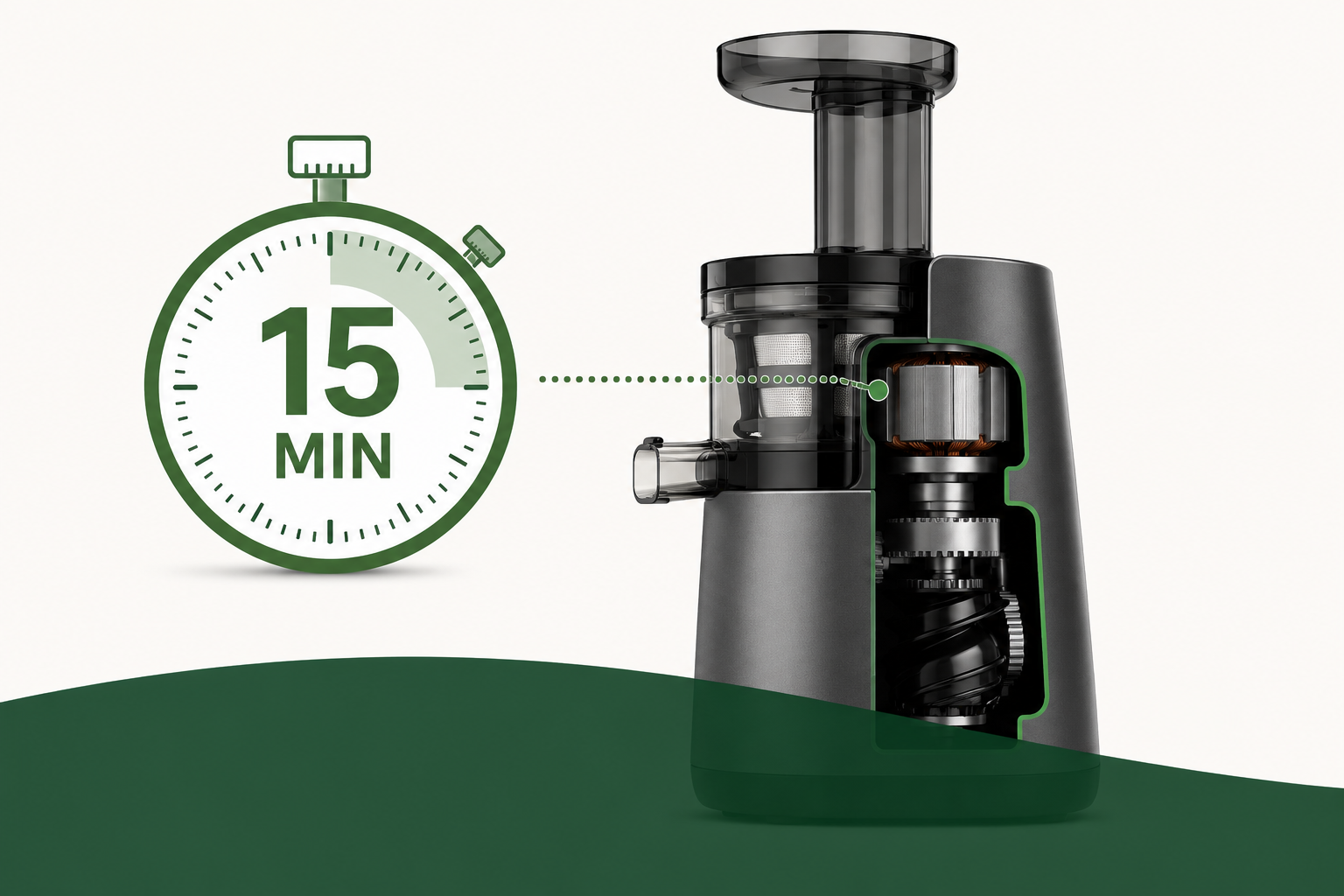
Have you ever noticed that some slow juicers recommend running for no more than 15 or 20 minutes, while others claim they can operate continuously?  At first glance, this can be confusing. After all, if two juicers have similar power ratings, why can one process an entire harvest of apples while another needs to stop and cool down?  The answer lies not in the wattage, but in the engineering.

Not All Motors Are Created Equal

Most traditional slow juicers use an AC induction motor. These motors are reliable, relatively inexpensive, and have powered household appliances for decades.

However, they also have limitations. As they work, they generate heat. During normal home use this isn't usually a problem, but when processing large quantities of produce, the motor temperature gradually rises. To protect the motor and extend its lifespan, manufacturers often recommend limiting operation to around 15–30 minutes before allowing the machine to cool.

Many juicers also include a thermal protection sensor. If the motor becomes too hot, this safety feature automatically switches the motor off to prevent damage. Once the motor has cooled sufficiently, the juicer can usually be restarted.

It's important to remember that there isn't a stopwatch inside the machine. How quickly a motor heats up depends on several factors, including the type of produce being juiced, how hard the motor is working, and even the ambient room temperature. Juicing soft oranges on a cool winter morning places much less demand on the motor than processing kilos of fibrous celery or carrots in a warm kitchen.

For most families making one or two glasses of juice each morning, these limitations are rarely noticed.

But what if you have a large vegetable garden? Or you juice for several people? Or you're preparing juice for the week in one session?

This is where premium juicers begin to differ.
 motor

Enter the BLDC motor

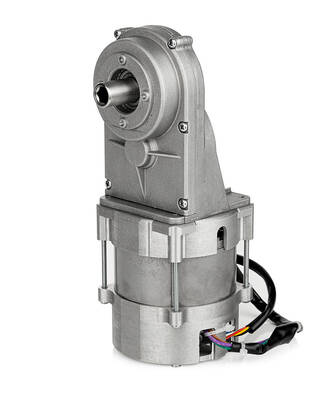
Some premium slow juicers use a Brushless DC (BLDC) motor instead of a traditional induction motor.

Although BLDC motors are significantly more expensive to manufacture, they offer several advantages that make them particularly well suited to high-end kitchen appliances.

Quieter Operation

One of the first things you'll notice is how quietly a BLDC-powered juicer runs.

This makes early morning juicing far more pleasant and is especially appreciated in open-plan homes where excessive noise can disturb the rest of the family.

Greater Energy Efficiency

Because brushless motors are electronically controlled, they convert electrical energy more efficiently and produce less waste heat than conventional induction motors.

While this probably won't make a noticeable difference to your electricity bill, it does contribute to cooler operation and reflects the more advanced design of the motor.

Longer Operating Sessions

Since BLDC motors generate less heat, they are well suited to extended juicing sessions. However, it's important to understand that the motor is only one part of the machine. The recommended operating time also depends on the gearbox, bearings, electronics, cooling system, and the overall thermal design of the appliance.  This explains why two juicers equipped with BLDC motors can still have different recommended operating times. 

The Sana 727 and 929 models have an unlimited operating time.

Variable Speed: A Feature That's Actually Useful

Perhaps the greatest advantage of a BLDC motor is one that many consumers overlook. Because the motor is electronically controlled, manufacturers can precisely adjust its speed. Instead of operating at one fixed speed, the juicer can be optimized for different ingredients and accessories.

For example:

  • Lower speeds can improve the processing of leafy greens and other fibrous produce.
  • Higher speeds may work better for juicy fruits.
  • Optional accessories, such as oil extractors, often benefit from higher rotational speeds.
  • Different homogenizing functions can also perform better at different speeds.

Rather than simply spinning faster, the motor can be matched to the task at hand.

BLDC comparison chart

Why Doesn't Every Juicer Use a BLDC Motor?

The simple answer is cost.

BLDC motors are significantly more expensive than traditional induction motors, and they require sophisticated electronic controllers to operate.  For manufacturers competing primarily on price, a conventional induction motor remains the more economical choice.

For premium juicers, however, the additional investment can provide noticeable benefits in everyday use.


Looking Beyond Wattage

When comparing juicers, many people look first at the motor's wattage. It's understandable.  We've been conditioned to think that a bigger number means a more powerful appliance.  For high-speed appliances such as blenders, that's often true. Blenders operate at extremely high speeds, so they require powerful motors to maintain those speeds while crushing ice and blending frozen ingredients.

Slow juicers are different.  Instead of spinning at thousands of revolutions per minute, a slow juicer typically operates at just 40–70 RPM. The goal isn't speed, it's controlled, steady crushing and squeezing.

The type of motor is far more important than the wattage printed on the box. The quality of the gearbox, the juicing mechanism, the auger, the juicing screen, and the overall engineering all contribute to how efficiently a juicer extracts juice and how pleasant it is to use.


A Motor Is Only One Part of the Story

The motor is one of the most important components of any juicer, but it doesn't work alone.  The gearbox, auger design, juicing screen, electronics, pressure sensors, cooling system, and even the software controlling the motor all influence how a juicer performs in real-world use.  This is why two juicers with similar motors can behave very differently when processing the same ingredients.  When comparing premium juicers, it's worth looking beyond a single specification. The best machines are carefully engineered systems in which every component works together.


Is a BLDC Juicer Worth It?

That depends on how you use your juicer.

If you prepare a single glass of juice each morning, you may never notice the difference.

But if you regularly juice leafy greens, prepare large batches, appreciate quieter operation, or want the flexibility of variable speed, a BLDC motor offers real advantages that you'll notice every time you use the machine.

It's one of the reasons premium slow juicers often feel different—not because they're more powerful, but because they're engineered differently.


Key Takeaways

  • Many slow juicers recommend a 15–30 minute operating time to prevent motor overheating.
  • Thermal protection sensors automatically switch the motor off if it becomes too hot.
  • A juicer's actual run time depends on the produce being processed, the ambient temperature, and the overall machine design.
  • Premium BLDC motors run more efficiently, produce less heat, operate more quietly, and enable variable speed control.
  • The motor is only one part of the equation—gearbox design, electronics, cooling, and the juicing mechanism all influence performance.
How to Preserve Garden Harvest Surplus (and Reduce Food Waste)

How to Preserve Garden Harvest Surplus (and Reduce Food Waste)

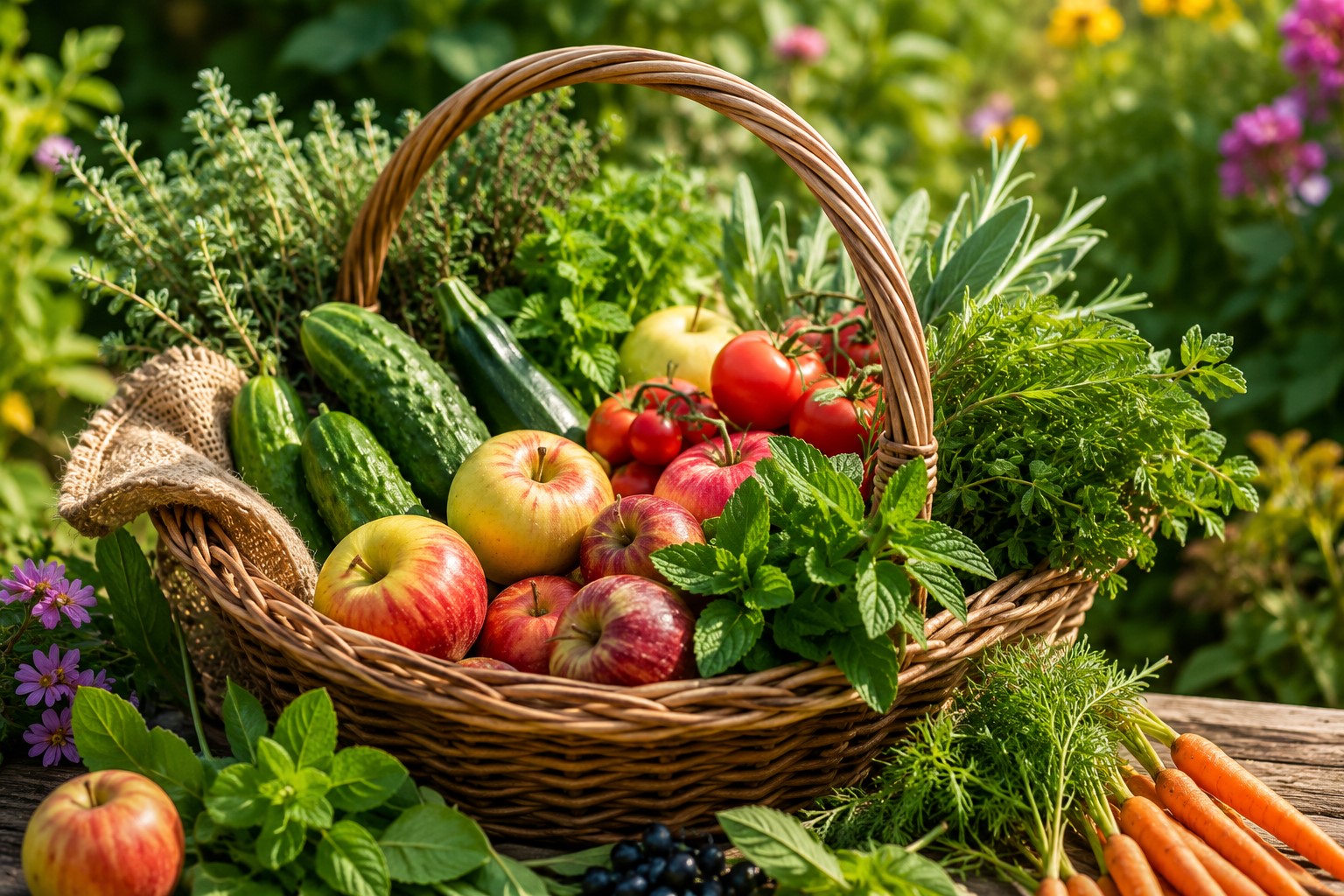
Every gardener knows the feeling. After months of waiting, everything seems to ripen at once. Apples, plums, tomatoes, cucumbers, zucchini, herbs—there's suddenly more produce than you can possibly eat before it starts to spoil.

While some surplus inevitably ends up in the compost, a little planning can help you enjoy your harvest for months while keeping food waste to a minimum.

Juice More Than You Can Eat

Juicing is one of the quickest ways to process large quantities of fresh produce. A basket of apples, carrots, cucumbers, tomatoes, or celery can be transformed into delicious, nutrient-rich juice in just a few minutes. Fresh juice is always best enjoyed immediately, but excess juice can also be refrigerated for a day or two or frozen in portions for later use.

Give Fruit a Second Life

A dehydrator makes it easy to preserve fruit that might otherwise go to waste. Apples become naturally sweet chips, plums and cherries turn into chewy snacks, and berries can be dried for adding to breakfast cereals or homemade trail mixes.  You can also make fruit leather—a healthy snack that's perfect for lunchboxes or hiking trips.

Freeze Summer for Winter

Not every piece of fruit has to be preserved immediately. Simply wash, prepare, and freeze ripe fruit while it's at its peak. Later, frozen strawberries, peaches, cherries, or plums can be turned into refreshing sorbets or healthy frozen desserts using a horizontal juicer. It's a wonderful way to enjoy the taste of summer long after the harvest season has ended.

Don't Forget the Herbs

Fresh herbs often grow faster than we can use them. Drying parsley, basil, oregano, thyme, or mint at low temperatures helps preserve their flavor and aroma, giving you homegrown herbs throughout the year.

Many herbs are also wonderful for homemade teas. Chamomile, lemon balm, peppermint, sage, and other garden herbs can be dried in the summer and enjoyed as comforting herbal infusions throughout the colder months—a simple way to enjoy the flavors of your garden long after the growing season has ended.

Compost What's Left

Even after you've made juice, dried fruit, and frozen your surplus, there will always be peels, stems, and other scraps. Composting these leftovers returns valuable nutrients to your garden, completing a natural cycle with almost nothing wasted.

A generous harvest should be something to celebrate, not something to worry about. With a few simple preservation techniques, today's surplus can become tomorrow's healthy snack, refreshing juice, or homemade dessert—helping you enjoy more of what your garden has worked so hard to produce.

Healthy Living Starts in the Kitchen

Healthy Living Starts in the Kitchen

Living a healthier life doesn't require complicated diets or drastic changes. Often, the biggest improvements come from small daily habits like choosing fresh ingredients, preparing more food at home, and reducing processed foods. Here are a few simple ways to support a healthier lifestyle.

Drink More Fresh Juice

Fresh juice is an easy way to increase your intake of fruits and vegetables. Unlike many store-bought juices, homemade juice contains no added sugar, preservatives, or artificial ingredients.

A quality slow juicer helps extract more juice while preserving flavor and nutrients, making it easier to enjoy fresh produce every day.

Blend Healthy Smoothies

Smoothies are a convenient option for busy mornings, post-workout nutrition, or healthy snacks.

By blending fruits, vegetables, nuts, and seeds at home, you control exactly what goes into your drink and can avoid unnecessary additives found in many commercial products. A vacuum blender will significantly reduce oxidation, boosting the nutrition punch of your smoothie.

Mill Your Own Flour at Home

Freshly milled flour retains the natural oils and nutrients found in whole grains. Because flour begins to lose freshness after milling, grinding grains just before baking can improve both flavor and nutritional value.

Home grain mills make it easy to prepare fresh flour from wheat, rye, spelt, and many other grains whenever you need it.

Bake Fresh Bread with Better Ingredients

Making bread at home gives you complete control over what you eat. You can choose quality ingredients, reduce additives, and experiment with different grains and recipes.

Modern bread makers simplify the process, allowing you to enjoy fresh homemade bread with minimal effort. If you want to avoid any chemical coatings on the pan, Sana makes the world’s only uncoated stainless steel bread maker pan.

Preserve Food Naturally

Reducing food waste is good for both your health and your budget. Dehydrating fruits, vegetables, herbs, and other foods is a simple way to preserve them without artificial preservatives.

Dehydrated foods make convenient snacks and can be stored for extended periods while maintaining much of their natural flavor.

Store Food and Juice Properly

Fresh foods stay at their best when stored correctly. Vacuum storage helps reduce exposure to air, slowing oxidation and helping preserve freshness.

This is especially useful for fresh juice, smoothies, prepared meals, and many everyday foods.

Start with Better Water

Water is one of the most important parts of a healthy lifestyle. Using a quality water filtration system can improve taste and help reduce unwanted impurities, making it easier to stay hydrated throughout the day.

Prepare Food with Quality Tools

Healthy cooking starts with good ingredients, but the right tools can make preparation faster and more enjoyable. Sharp kitchen knives simplify food preparation, while quality glassware provides a beautiful way to serve fresh juices, smoothies, and water.

Enjoy Healthy Treats at Home

Healthy living should also be enjoyable. Homemade frozen desserts allow you to control ingredients and create delicious treats using fresh fruit and other quality ingredients.

A home gelato maker makes it easy to prepare desserts that fit your personal preferences and dietary goals.

Healthy Living Starts in the Kitchen

Many healthy habits begin with the choices we make every day. From fresh juice and homemade bread to proper food storage and clean water, small improvements in your kitchen can have a lasting impact on your overall well-being.

Recommended Accessories for Every Juicer Owner

Recommended Accessories for Every Juicer Owner

The right accessories can make juicing easier, cleaner, and more rewarding. These customer favorites help you get the most from your produce and your juicer.

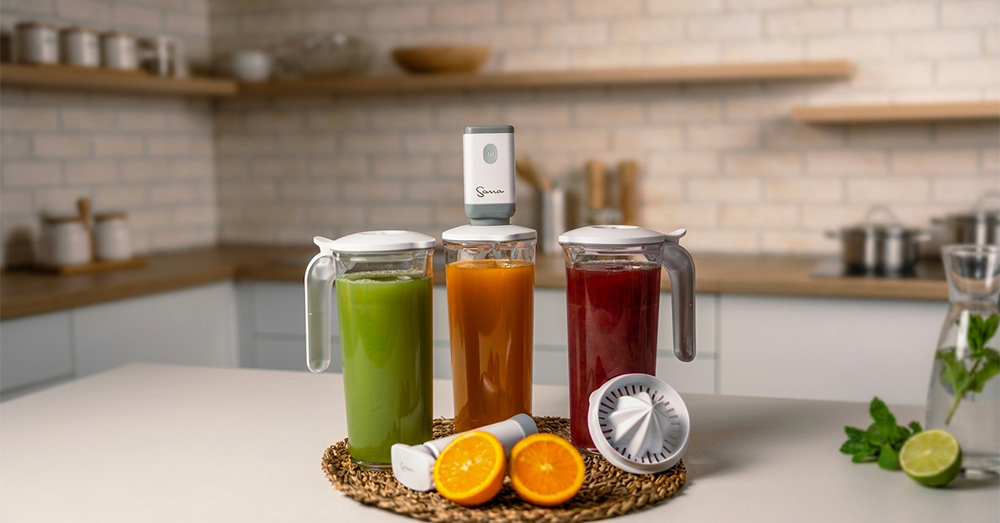
Sana Vacuum Pitcher II 

Keep your juice fresher for longer.

  • Removes air from freshly made juice to slow oxidation.
  • Helps preserve flavor, color, and nutrients.
  • Extends freshness up to three times longer than conventional storage.
  • Slim design fits easily in most refrigerator doors.
  • Includes a citrus attachment for making fresh orange juice directly into the pitcher.


Sana Vegetable Cleaning Gloves  

A simple way to prepare produce before juicing.

  • Quickly removes dirt from fruits and vegetables without peeling.
  • Helps retain nutrients that are naturally found in the skin.
  • Saves time compared to using brushes or peelers.
  • Durable, food-safe material for everyday use.
  • Dishwasher safe and easy to clean.

Sana Chef's Knife  

Make produce preparation faster and easier.

  • Sharp Damascus steel blade glides effortlessly through fruits and vegetables.
  • Ideal for chopping, slicing, and dicing ingredients for juicing.
  • VG10 steel core offers excellent edge retention.
  • Ergonomic handle provides comfort and control.
  • Built for everyday use in the kitchen.

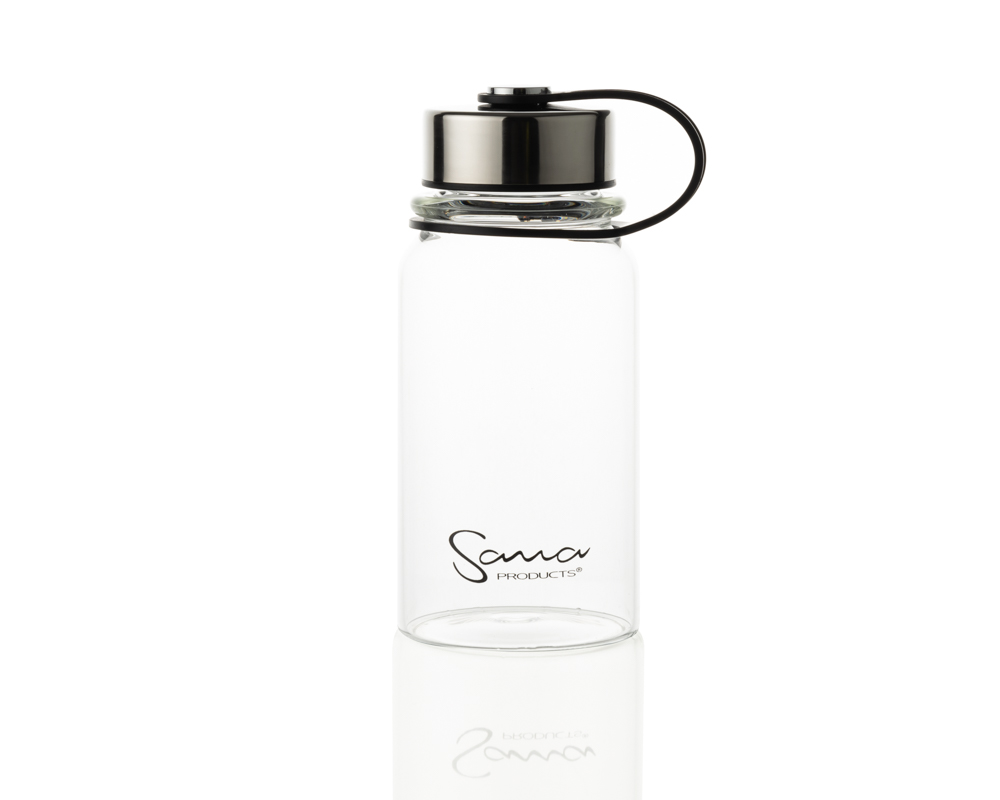
Sana Glass Bottle with Stainless Steel Cap

Store fresh juice the right way.

  • Wide opening makes filling and cleaning quick and easy.
  • Durable borosilicate glass won't absorb odors or flavors.
  • Airtight cap helps keep juice fresh during storage.
  • Perfect for the refrigerator, office, gym, or travel.
  • A reusable alternative to disposable plastic bottles.

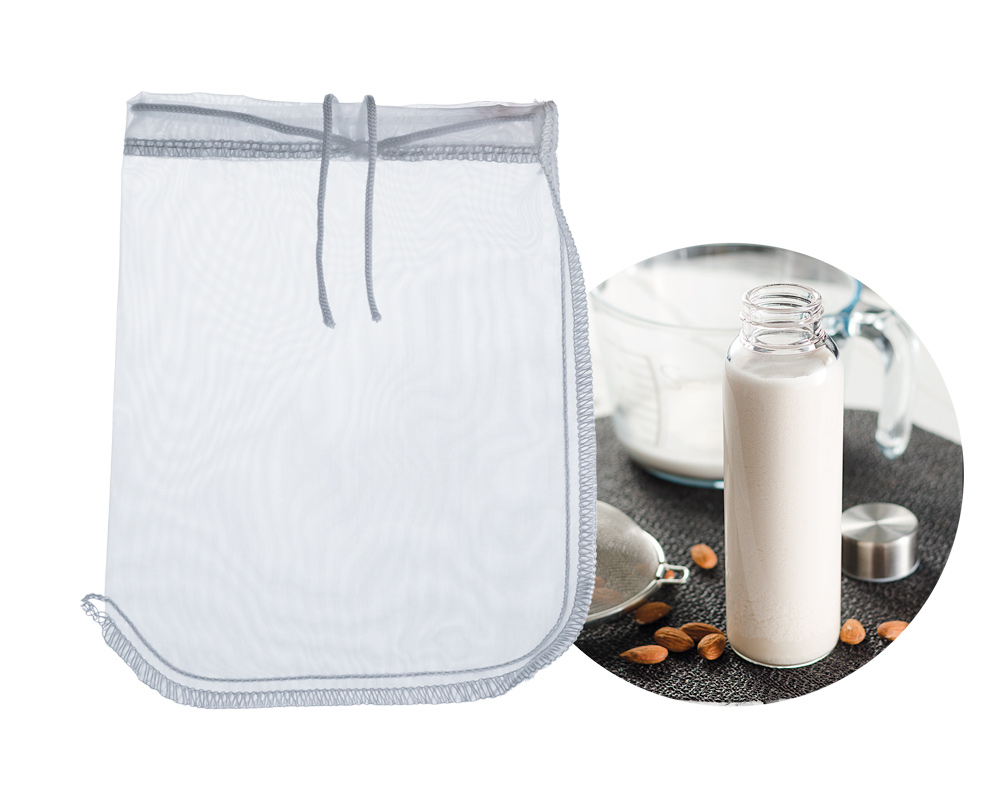
Sana Nut Milk Bag


Create smooth plant-based drinks and more.

  • Makes silky almond, oat, and other plant-based milks at home.
  • Ultra-fine filtration for smooth results.
  • A perfect companion to a horizontal juicer when making nut milk.
  • Useful for straining juice, broth, coffee, and tea.
  • Durable, hygienic, and easy to clean.


Sana Bohemian Crystal Glasses

Enjoy your fresh juice in handcrafted Czech crystal.

  • Individually hand-blown in Bohemia using traditional glassmaking techniques.
  • Made at one of the oldest glassworks in the Czech Republic.
  • Every glass is unique, with subtle variations that reflect true craftsmanship.
  • Beautiful colors and elegant design make every glass of juice feel special.
  • A perfect gift for anyone who appreciates quality and artisan-made products.


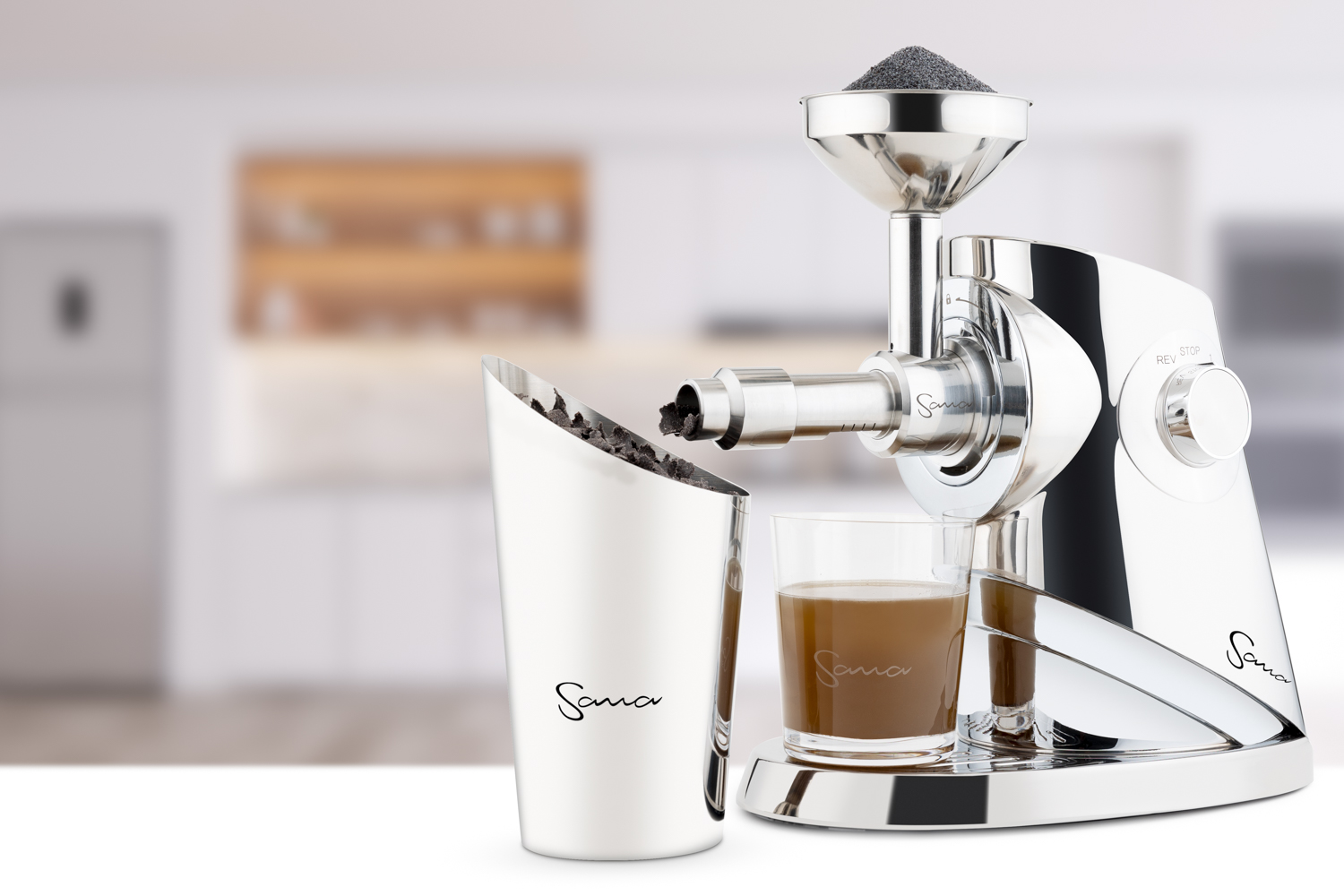
Sana 702 Oil Extractor

Transform your juicer into a cold-press oil maker.

Most people think of a juicer as a machine for making juice. The Sana 702 Oil Extractor takes it much further, allowing you to create fresh cold-pressed oils at home using the power of your Sana horizontal juicer.

  • Press oils from flax, sesame, sunflower, hemp, black cumin, and many other seeds.
  • Make fresh oils from nuts such as walnuts, almonds, cashews, and pistachios.
  • Low-speed extraction helps preserve natural flavor and nutritional value.
  • Produce only the amount you need, ensuring maximum freshness.
  • Heavy-duty stainless steel construction is built to last.
  • Also creates fresh oat flakes from whole oat groats.

For customers who enjoy making healthy foods from scratch, the Oil Extractor is one of the most unique and versatile accessories available for a Sana juicer.

Listing controls

32 items total
Top