🍀 Discounts on juicer accessories up to 30% →

Blog, Page 3

List of articles

Why Use Freshly Milled Flour?

Why Use Freshly Milled Flour?

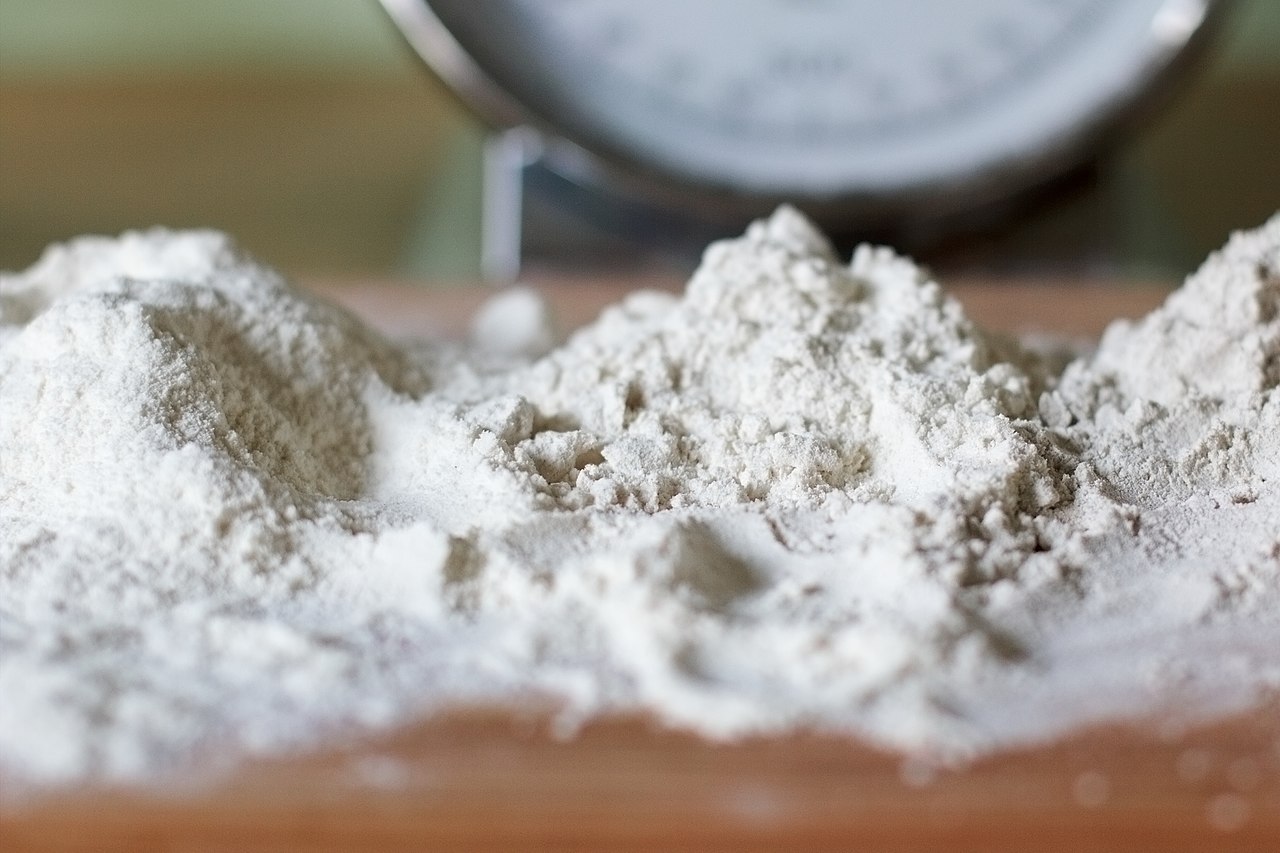
Most flour is milled months before it reaches your kitchen. While it remains perfectly usable, time gradually affects its flavor, aroma, and freshness. Milling your own flour at home allows you to enjoy grains at their best.

Better Flavor

Freshly milled flour has a richer, fuller flavor than pre-packaged flour. Whole grains contain natural oils that contribute to their taste and aroma. When flour is milled just before baking, those flavors are preserved, resulting in bread, pastries, and other baked goods with a more distinctive character.

More of the Whole Grain

When you mill your own flour, you can use the entire grain exactly as nature intended. The bran, germ, and endosperm remain together, giving you complete control over the type of flour you use in your recipes.

Greater Variety

Home milling opens the door to a wide range of grains. In addition to wheat, you can mill rye, spelt, barley, buckwheat, millet, and many other grains at home. Each grain brings its own unique flavor and baking characteristics.

Mill Only What You Need

Freshly milled flour is best used soon after grinding. With a home grain mill, you can prepare exactly the amount you need for each recipe, reducing waste and ensuring maximum freshness.

Complete Control Over Your Ingredients

Milling your own flour allows you to choose the grains you use and create custom flour blends for different types of baking. Whether you're making rustic bread, pizza dough, cakes, or cookies, you can tailor the flour to suit your preferences.

Is Home Milling Difficult?

Not at all. Modern grain mills make the process quick and simple. Just add whole grains, select the desired texture, and mill fresh flour directly into a bowl. In only a few minutes, you'll have flour ready for baking.

A Simple Upgrade for Better Baking

If you enjoy baking, freshly milled flour is one of the easiest ways to improve the flavor and quality of your homemade bread and baked goods. Once you've experienced the aroma of freshly milled grain, it's difficult to go back to ordinary flour.
Why Choose a Stainless Steel Bread Pan?

Why Choose a Stainless Steel Bread Pan?

Why Choose a Stainless Steel Bread Pan?

Most bread makers use pans coated with a non-stick surface. While these coatings make loaf removal easy, they can wear over time due to mixing, kneading, and regular use.

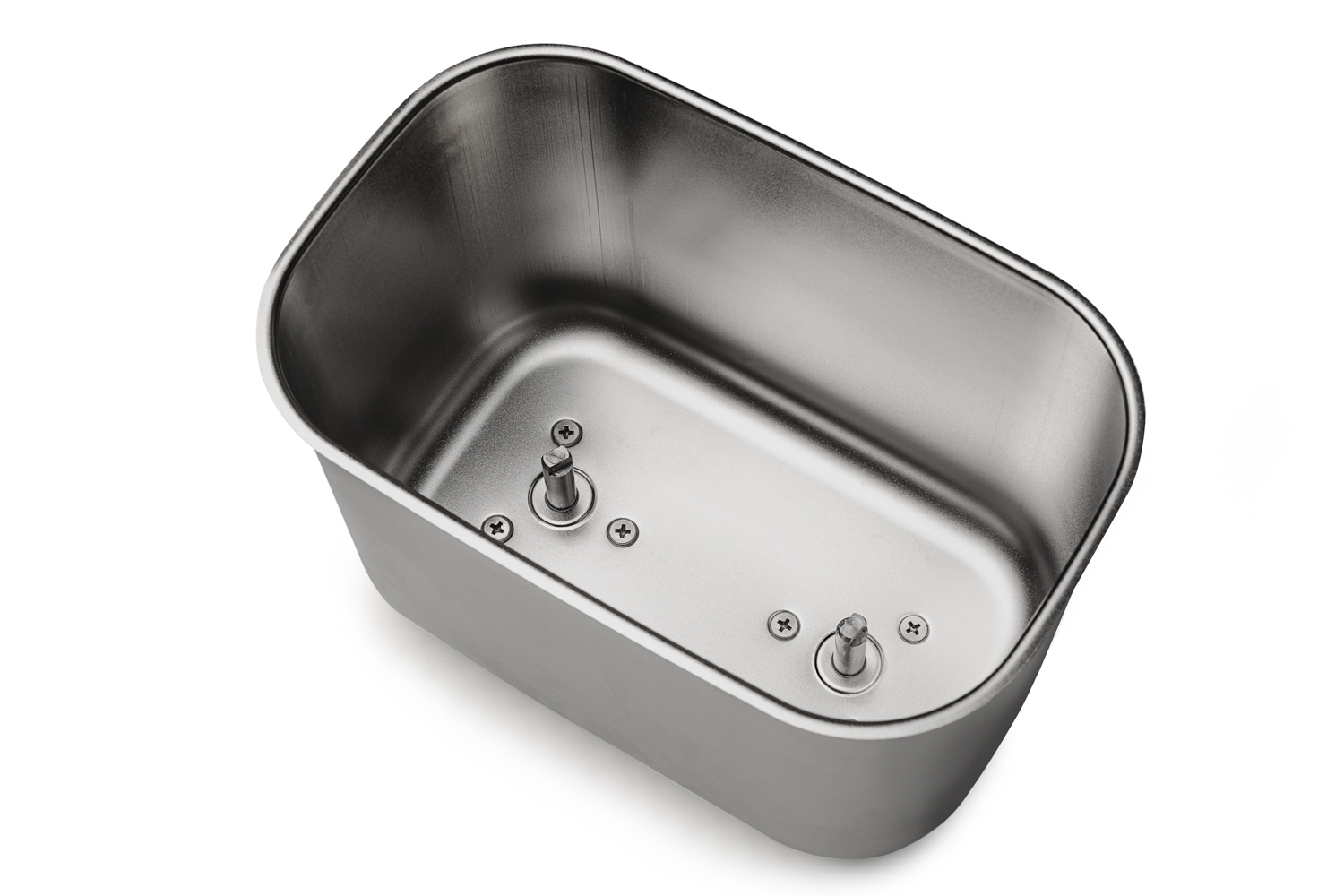
The Sana Smart Bread Maker II takes a different approach. It features an uncoated stainless steel bread pan, offering durability, simplicity, and peace of mind for home bakers.

Built to Last

Bread machine pans endure constant use. During every baking cycle, the kneading paddle rotates against the pan while ingredients are mixed and kneaded.

Stainless steel is exceptionally durable and resistant to wear. Unlike coated pans, there is no non-stick layer to scratch, chip, or deteriorate over time.

No Coating to Worry About

Many home bakers prefer stainless steel because it is a natural, food-safe material that requires no additional surface treatment.

With an uncoated stainless steel pan, there is no coating to monitor, protect, or eventually replace. The baking surface remains the same throughout the life of the machine.

Easy Loaf Removal and Cleaning

A common concern about stainless steel bread pans is whether the loaf will stick. In practice, the Sana Smart Bread Maker II is designed differently from most bread makers.

The Sana uses a unique low-temperature baking system with glass lids that cover the bread pans during baking. Typical baking temperatures are around 150°C, with a maximum temperature of just 170°C. This creates a gentler baking environment than a conventional oven.

When the loaf is allowed to cool before removal, it typically releases from the stainless steel pan easily. Any remaining residue can be cleaned with warm water and a soft sponge.

Designed for Everyday Baking

For people who bake bread regularly, durability matters. A stainless steel pan is designed to withstand years of mixing, kneading, and baking without concerns about coating wear.

This makes it especially appealing for households that use their bread maker several times per week.

A Unique Feature of the Sana Smart Bread Maker II

The Sana Smart Bread Maker II is the only consumer bread maker in the world to offer an uncoated stainless steel bread pan. While most bread makers rely on non-stick coatings, Sana chose a different path focused on durability, longevity, and simplicity.

For bakers looking for a long-term investment, the stainless steel pan is one of the most distinctive features of the machine.

A Better Choice for Long-Term Baking

When choosing a bread maker, it is easy to focus on programs, settings, and loaf sizes. But the bread pan is the component that experiences the most wear and has the greatest impact on long-term durability.

A stainless steel pan offers a simple advantage: it is built to last. Combined with Sana's gentle low-temperature baking system, it provides a unique approach to home bread making that prioritizes durability, simplicity, and consistent results for years to come.

How Water Quality Affects Your Health

How Water Quality Affects Your Health

Water is essential to life. We use it for drinking, cooking, making beverages, and preparing food every day. Because water plays such an important role in our daily lives, its quality deserves attention.

While tap water in many areas is considered safe to drink, it can still contain substances that affect its taste, odor, and overall quality.

What Can Be Found in Tap Water?

The contents of tap water vary depending on where you live and how the water is treated and distributed.

Depending on the source, water may contain:

  • Chlorine and other treatment chemicals
  • Sediment and rust from aging pipes
  • Agricultural residues such as pesticides
  • Trace amounts of pharmaceuticals and hormones
  • Bacteria and other microorganisms

Most municipal water systems work hard to maintain safe drinking water, but treatment standards and water quality can vary from region to region.

Better-Tasting Water Encourages Better Hydration

One of the most noticeable benefits of water filtration is improved taste.

Many people find that filtered water has less chlorine taste and odor, making it more enjoyable to drink. When water tastes better, it often becomes easier to stay properly hydrated throughout the day.

Water Quality Matters in Food and Beverages

Water is not only something we drink. It is also a key ingredient in tea, coffee, soups, smoothies, juices, and many recipes.

Using high-quality water can improve the taste of beverages and foods by reducing unwanted flavors and odors.

Filtration at Home and On the Go

Different lifestyles require different solutions.

Filtration pitchers offer a simple way to improve water quality at home, while portable filtration bottles like the Sana stainless steel filtration bottle make it easy to enjoy filtered water at work, while traveling, or during outdoor activities.

For households that consume large amounts of water, advanced filtration and water treatment systems can provide an additional level of convenience.

Understanding Water Ionization

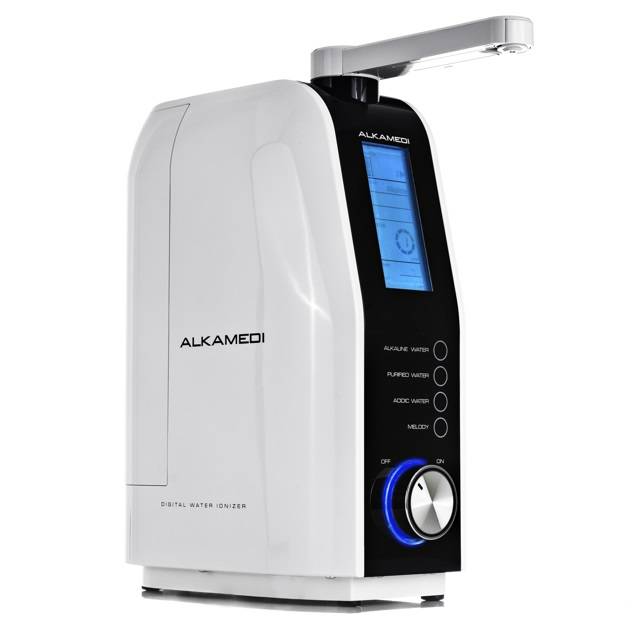
Some people choose water ionizers as part of their wellness routine. These systems alter certain characteristics of the water through an electrolysis process and often include filtration as part of the treatment system.

When considering a water ionizer, it is important to understand how the system works and choose a model that meets your specific needs and preferences.

Small Changes Can Make a Big Difference

Because water is something we consume every day, even small improvements in quality can have a lasting impact on our daily habits.

Whether you choose a filtration pitcher, a portable filtration bottle, or a more advanced water treatment system, investing in better water is a simple step toward a healthier lifestyle.

How to Make Food Stay Fresh Longer

How to Make Food Stay Fresh Longer

Few things are more frustrating than throwing away food that has lost its freshness before you had a chance to enjoy it. Fortunately, a few simple storage techniques can help keep food fresh for longer while reducing waste.

Why Food Loses Freshness

One of the main causes of food spoilage is exposure to air. Oxygen contributes to oxidation, which can affect the flavor, color, texture, and quality of many foods.

Every time a container is opened, fresh air enters and begins interacting with the food inside. Over time, this process can lead to stale ingredients, wilted produce, and reduced freshness.

The Benefits of Vacuum Storage

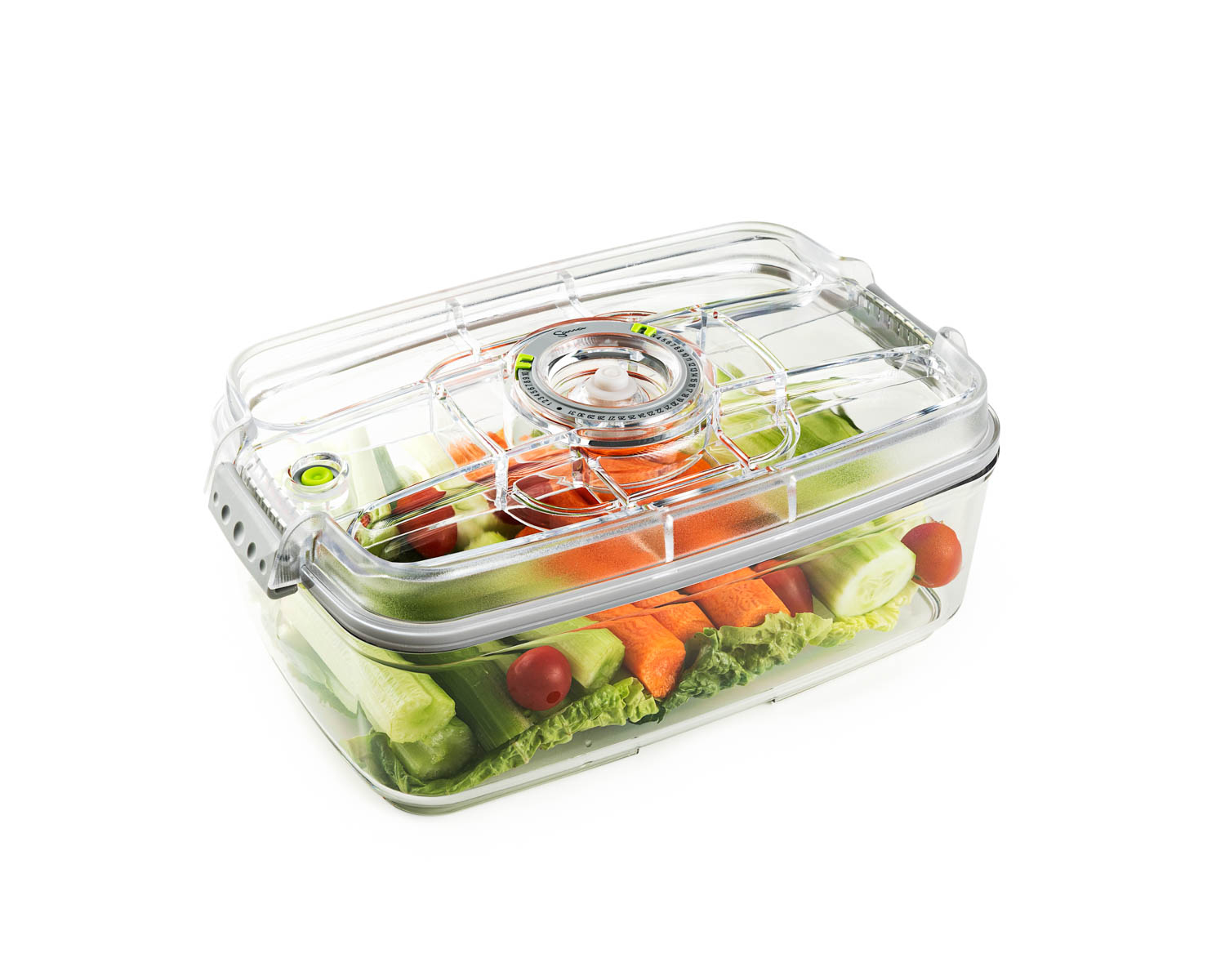
Vacuum storage works by removing much of the air surrounding food. With less oxygen present, foods can maintain their freshness longer compared to conventional storage methods.

Vacuum storage is particularly useful for:

  • Fresh fruits and vegetables
  • Cheese and dairy products
  • Coffee, tea, and dry goods
  • Nuts and seeds
  • Prepared meals
  • Fresh juice and smoothies

For many households, vacuum storage is one of the simplest ways to reduce food waste and extend the life of everyday ingredients.

Keep Everyday Foods Fresher

Vacuum food containers are ideal for foods that are opened and used regularly.

Available in a variety of sizes, they make it easy to store everything from leftover meals to fresh produce, snacks, grains, coffee, and baking ingredients. Removing the air takes only a few seconds using a manual or electric vacuum pump.

Because the containers are reusable, they offer a convenient alternative to disposable storage solutions.

Extend the Life of Fresh Juice

Fresh juice begins to oxidize immediately after it is made. While it is always best enjoyed fresh, vacuum storage can help preserve its flavor and quality when immediate consumption is not possible.

Vacuum juice pitchers and containers remove air from freshly made juice, helping slow oxidation and maintain freshness significantly longer than conventional storage methods.

For anyone who juices regularly, vacuum storage is one of the most useful accessories available.

Long-Term Storage with Vacuum Sealers

For foods that need to be stored for extended periods, vacuum sealers provide an even higher level of protection.

By removing air and sealing food in specialized bags, vacuum sealers help preserve freshness while reducing freezer burn and protecting food during storage.

They are ideal for meat, fish, vegetables, prepared meals, and bulk food purchases.

Vacuum Sealing and Sous Vide Cooking

Vacuum sealers offer another advantage: they are the perfect companion for sous vide cooking.

Once food is vacuum sealed, it can be cooked at precise temperatures using a sous vide stick. This method helps produce consistent results while retaining moisture and flavor.

Many home cooks use vacuum sealers not only for food storage, but also as part of their everyday cooking routine.

Fresh Food, Less Waste

Keeping food fresh longer does not require complicated techniques. By reducing exposure to air and using the right storage methods, you can enjoy better-tasting food, reduce waste, and make the most of every ingredient.

Whether you're storing fresh juice, leftovers, dry goods, or ingredients for future meals, vacuum storage offers a simple and effective solution.

Listing controls

32 items total
Top